Uncategorized

South Sudan’s fight against the triple threat: Advancing action on HIV, Syphilis, and Hepatitis B

Country: South Sudan Source: World Health Organization Juba – Mrs. Jeba (a pseudonym used to protect her identity), a 24-year-old resident of Gudele suburb in Juba and a first-time mother, received an unexpected diagnosis during her pregnancy. During a routine antenatal care visit, she tested positive for hepatitis B but negative for HIV and syphilis. Despite the diagnosis, her child was successfully protected from all three infections, bringing immense joy to her family. On the morning of 16 June, Mrs. Jeba visited Juba Teaching Hospital for antenatal care services, where she shared her experience. “I was tested for HIV, syphilis, and hepatitis B, and I was found positive for hepatitis B. I did not have either HIV or syphilis. When I informed my family, the news was shocking to them,” she said. “I was constantly worried about the health of my baby at birth because of my status.” Healthcare providers reassured Mrs. Jeba that, with appropriate care and adherence to medical advice, she could have a healthy pregnancy and a healthy baby free of HIV, syphilis, and hepatitis B. They explained that the risk of mother-to-child transmission of hepatitis B could be reduced to very low levels through timely prevention, appropriate treatment where indicated, and careful follow-up throughout pregnancy and after delivery. “The midwife reassured me that I could have a healthy pregnancy and a healthy baby. She explained that with proper prevention, the risk of transmitting hepatitis B to the baby can be reduced to very low levels,” she added. The midwife informed the delivery team about Mrs. Jeba’s condition and emphasized that the newborn should receive the hepatitis B vaccine as soon as possible after birth and complete the full vaccination schedule. She also stressed the importance of regular antenatal visits, laboratory monitoring, and adherence to prescribed medication. Additionally, Mrs. Jebel was advised that breastfeeding is safe and recommended. Mrs. Jebel followed all the medical advice diligently. She was informed that if her baby tested negative for hepatitis B, HIV, and syphilis one year after birth, it would confirm that the child was free from these vertically transmissible infections. This was indeed the case. Mrs. Namadi Sylvia, a Clinical Officer at Juba Teaching Hospital and one of the health workers who cared for Mrs. Jeba, described her story as one of courage, joy, and fulfillment. She emphasized that the positive outcome was largely due to the mother’s commitment to her care and that of the unborn child. “This success was possible because of her positive attitude. She consistently attended follow-up appointments and adhered to her prescribed medication, which played a crucial role,” she noted. Quality antenatal care, early diagnosis and adherence to medical services can change lives indeed. For Mrs. Jeba, who is the breadwinner of her family, this outcome has been life changing. “I am now motivated to have more children because with proper care and support, it is possible to protect my baby,” she said Viral hepatitis remains a growing public health challenge. In 2024, it caused an estimated 1.3 million deaths globally, making it one of the world’s leading infectious disease killers. Of these deaths, hepatitis B (HBV) accounted for 1.1 million, while hepatitis C (HCV) contributed 242,000. In the same year, there were 1.8 million new hepatitis infections, including 900,000 new hepatitis B infections and 900,000 new hepatitis C infections. South Sudan is among the countries with a high burden of hepatitis B. Hepatitis B, syphilis and HIV share common modes of transmission and can all be passed from mother to child during pregnancy, childbirth, or breastfeeding. Integrating prevention, testing, treatment, and follow-up services offers an efficient and cost-effective approach to protecting mothers and their newborns. In late 2025, the Ministry of Health officially launched and started the expansion of Triple Elimination Initiative against HIV, Syphilis and Hepatitis B, demonstrating the country’s commitment to protecting mothers and children from these infections. The initiative aligns with WHO and African regional frameworks aimed at ending vertical transmission and improving maternal and child health outcomes. The Government recognizes that preventing mother-to-child transmission is one of the most effective investments in the health and future of South Sudan’s children. Through strengthened antenatal care services, routine testing for HIV, syphilis, and hepatitis B during pregnancy, timely treatment and prevention interventions, safe delivery practices, and follow-up care for mothers and infants, South Sudan aims to accelerate progress towards the elimination of these infections. “The Ministry of Health reaffirms its commitment to providing political leadership, mobilizing resources, strengthening partnerships with development partners, civil society, and communities, and expanding awareness and service delivery across the country” said Dr Oromo Francis, Undersecretary of Health. The Government calls upon all stakeholders to work together to achieve the vision of healthy mothers, healthy children, and a generation free from HIV, syphilis, and hepatitis B. “As we work to address this triple burden and ensure that every mother receives quality care and every child is born free from HIV, syphilis, and hepatitis B, communities remain aware about their key role and that is seeking early treatment is very key.” Said Dr Humphrey Karamagi, WHO Representative in South Sudan. To address these challenges, the World Health Organization (WHO) has intensified its support to the Ministry of Health. This includes high-level advocacy, integrating national strategies and guidelines for hepatitis, Syphilis and HIV programs through person-centred maternal and child health services as well as capacity building for health providers on new WHO tools. WHO also engages affected communities and civil society through awareness raising. What Every Pregnant Woman Should Know About Hepatitis B – attend antenatal care early, get tested for HIV/syphilis/hepatitis B, deliver in a health facility, and ensure the baby receives the hepatitis B birth dose within 24 hours where it is available. (We need to continue to advocate for it). Mr Atem John Ajang Communication Officer Mobile: +211 921736375 Email: atema [at] who.int (atema[at]who[dot]int) RUTAREMARA Alice Communications officer Emaill: rutaremaraa [at] who.int (rutaremaraa[at]who[dot]int)
South Sudan’s fight against the triple threat: Advancing action on HIV, Syphilis, and Hepatitis B Read More »

sudan situation: unhcr monthly external update #119 may 2026

Sudan Situation: UNHCR Monthly External Update #119 – May 2026

Countries: Sudan, Central African Republic, Egypt, Ethiopia, Libya, South Sudan, Uganda Source: UN High Commissioner for Refugees Please refer to the attached file. Highlights ▪ Sudan: The security situation deteriorated further, marked by increased use of airstrikes targeting transport routes, airports, and critical infrastructure across Khartoum, Darfur, Kordofan, and Blue Nile States. Intercommunal violence in Darfur and Kordofan States resulted in civilian casualties and triggered further displacements. In Khartoum, large-scale returns continued to strain basic services and livelihoods, compounded by fuel shortages, and rising prices. International and domestic flight operations were suspended for approximately two weeks during the reporting period due to security incidents, further disrupting humanitarian access and supply chains. Despite these challenges, UN agencies have gradually re-established their offices in the city. ▪ Central African Republic (CAR): The security situation in Birao remains calm but fragile, with persistent volatility along road axes and in surrounding villages, where security incidents and intercommunal tensions have been reported across Vakaga prefecture in northern CAR, where the majority of Sudanese refugees are hosted. ▪ Chad: From 25 to 27 May, UNHCR, together with Action Against Hunger (AAH) and with support from WFP, hosted a high-level British parliamentary delegation in Adré, Ouaddaï province, eastern Chad, to assess the border situation and the response to displacement from Sudan. The delegation observed new arrivals and reception arrangements including the pre-registration process and engaged directly with refugees in Metché. A visit to a UNHCR-supported 11-hectare farming site highlighted the positive impact of livelihood interventions. Discussions focused on durable shelter, resilience, and evolving refugee flows. The delegation commended the quality of the response, while emphasising the importance of sustained international support and durable solutions. ▪ Egypt: On 20 May, UNHCR welcomed a high-level visit from the European Union (EU) delegation. The UNHCR Representative expressed gratitude for EU’s continued support and underscored the need for sustained funding in the current context. The delegation was briefed on the refugee response in Egypt and then visited the Reception and Registration Centre on 6 th October City. The delegation commended UNHCR’s work and ongoing efforts to respond to the increasing needs of refugees and asylum-seekers in Egypt. ▪ Ethiopia: In the Benishangul-Gumuz region, the security conditions were generally calm despite tensions along the Ethiopia–Sudan border, with no new asylum movements or relocations reported. High-level missions from the World Bank and Government of Ireland reaffirmed support for refugee inclusion, while highlighting persistent gaps in food security, infrastructure, and basic services amid continued funding constraints. ▪ Libya: On 3 May, the UNHCR Chief of Mission met with the Foreign Minister of the eastern-based government during a mission to Benghazi to discuss the situation of Sudanese refugees and strengthen coordination on refugee protection, humanitarian assistance, and solutions for those seeking safety in Libya. ▪ South Sudan: The operation hosted the Crisis Response Coordinator from the Swedish International Development Cooperation Agency (SIDA) for an official visit to Juba and Aweil, including Wedweil and Barniwinyi refugee settlements. The mission reaffirmed UNHCR as a key SIDA partner and highlighted the donor’s strong interest in area-based coordination, refugee-led and community-based organizations, as well as more sustainable and self-reliance-oriented responses. SIDA reiterated its flexibility and trust in UNHCR and the potential for continued partnership in 2026, including interest on “Solutions from the Start.” ▪ Uganda: UNHCR, the Office of the Prime Minister (OPM), and relevant authorities continued to monitor and assess the drivers of inter- and intra-community tensions in refugee settlements, including possible spillover effects from the security developments in South Sudan.

Sudan Situation: UNHCR Monthly External Update #119 – May 2026 Read More »

islamic relief pakistan: humanitarian situation report (period: 26 june to 28 july 2026)

Islamic Relief Pakistan: Humanitarian Situation Report (Period: 26-June to 28-July 2026)

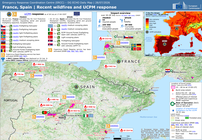
Country: Pakistan Source: Islamic Relief Please refer to the attached file. Location KP, AJK, GB, Punjab, Balochistan and Sindh BACKGROUND Pakistan continues to face severe and compounding risks from both economic fragility and climate-induced disasters. The country remains among the most disaster-prone globally, ranking 18th out of 191 countries in the INFORM Risk Index, reflecting high exposure to hazards, vulnerability, and limited coping capacity. Over the past decade, disasterrelated damages have exceeded USD 18 billion, significantly constraining economic growth and development progress. More recent climate assessments also indicate that Pakistan is among the top 10 most climatevulnerable countries globally, despite contributing less than 1% of global greenhouse gas emissions. Pakistan’s 2026 monsoon began on 26 June and is forecast by the National Disaster Management Authority (NDMA) to bring 22–26% more rainfall than the previous season, compounded by accelerated melt across the country’s more than 7,000 glaciers. As of the latest NDMA daily sitrep, the cumulative death toll (109) remains far below the same point in the catastrophic 2022 and 2025 seasons — but the situation has escalated in last 7 days: NDMA and PDMA Punjab have moved from advisory to an active flood alert for the Chenab, Jhelum and Ravi rivers from 29 July–05 August, with evacuations already being directed in low-lying and riverbank areas. Current figures should be read as a running total from an inprogress, intensifying season, not a final toll. According to the State Disaster Management Authority (SDMA), a cloudburst in Neelum Valley caused significant damage to infrastructure, including houses, shops, government schools, and bridges. Losses of livestock were also reported in the affected areas. The Azad Jammu and Kashmir State Disaster Management Authority (AJK SDMA) is closely monitoring the situation and has initiated coordination, response, and relief efforts in collaboration with relevant departments and local authorities to support affected communities. As of 28 July 2026, a total of 109 deaths and 360 injuries have been reported nationwide. The majority of casualties resulted from house collapses and flash floods triggered by heavy rainfall. Additionally, 796 houses have been damaged, either fully or partially, while 379 livestock have perished. These numbers are expected to increase as ongoing rainfall and forecasted precipitation continue to impact affected areas. More Monsoon Rains predicted in the country from 29th July to 05th August.

Islamic Relief Pakistan: Humanitarian Situation Report (Period: 26-June to 28-July 2026) Read More »

south sudan: renk county area based durable solutions strategy for refugees, returnees, internally displaced and host community (2026 2028)

South Sudan: Renk County Area Based – Durable Solutions Strategy for Refugees, Returnees, Internally Displaced and Host Community (2026-2028)

Countries: South Sudan, Sudan Source: UN High Commissioner for Refugees Please refer to the attached file. Since April 2023, Renk has become the primary entry point for people displaced by the Sudan conflict, receiving over 1 million people (80 percent) of arrivals into South Sudan. With increased number of new arrivals in 2024, Renk Inter-Agency RoadMap was initiated which followed an HCT-endorsed three-phase approach: (1) life-saving assistance at entry and transit points; (2) integration of emergency support in areas of destination; and (3) longer-term, integrated solutions for host communities, returnees, and IDPs. While initial efforts focused on transit-based life-saving assistance, the situation has evolved. Thousands of refugees and returnees remain in Renk for extended periods far beyond the intended two weeks stay due to reluctance to relocate and limited onward transport capacity. As of December 2025, over 10,000 individuals were still in transit centers, creating pressure on overstretched services and increasing protection risks. To address the needs of refugees and returnees, options include continued onward transport for those willing to return to areas of origin and those registered to move to refugee camps and settlement. Local integration for those choosing to remain in Renk as their destination will remain an advocacy based on the recent land allocated as key priority assistance remain the access to basic services.

South Sudan: Renk County Area Based – Durable Solutions Strategy for Refugees, Returnees, Internally Displaced and Host Community (2026-2028) Read More »

iran: world health organization middle east escalation of conflict, global situation report #10 22 july 2026

Iran: World Health Organization – Middle East Escalation of Conflict, Global Situation report #10 – 22 July 2026

Countries: Iran (Islamic Republic of), Jordan, Syrian Arab Republic Source: World Health Organization Please refer to the attached file. This is the tenth global public WHO situation report on the escalation in the Middle East. It covers the health situation and WHO operational updates from affected countries in the WHO Eastern Mediterranean and European regions, as well as WHO’s global response activities and priorities. On 17 June 2026, the United States of America and the Islamic Republic of Iran signed an agreement on a Memorandum of Understanding (MoU) concerning the cessation of hostilities. Since the announcement of the MoU and subsequent ceasefire, there has been a decline in the overall intensity of hostilities. However, military activities continue, impacting civilian infrastructure and access to care. On 8 July 2026, media reports circulated that the MoU has been rendered ineffective, and a further intensification of hostilities has continued, with airstrikes reported daily. In Lebanon, the security situation remains fragile despite reduced hostilities following a ceasefire announcement, with daily localized military activity reported. Acute health threats include trauma and mass casualty risks, communicable disease risks linked to displacement and overcrowded shelters, rising measles and leishmaniasis in Syria, measles transmission in Jordan, and persistent fuel, power and supply-chain constraints affecting continuity of essential health services.

Iran: World Health Organization – Middle East Escalation of Conflict, Global Situation report #10 – 22 July 2026 Read More »

afghanistan: adi working group meeting (29 july 2026) [presentation]

Afghanistan: ADI Working Group Meeting (29 July 2026) [Presentation]

Country: Afghanistan Sources: Agency Coordinating Body for Afghan Relief and Development, United Nations Population Fund Please refer to the attached file. ACTIVITIES Welcome, Introductions & Meeting Agenda Herat Joint Mission, AHF Proposal Review Hotlines Survey, Community Accountability Exchanges Community Perception Monitoring and Eastern Afghanistan Flood Response Updates (Community Feedback Collection) HI to present a capacity building opportunity in person in September (5 min) + any questions Partner Updates, Good Practices, and Upcoming Activities AOB and Closing Remarks

Afghanistan: ADI Working Group Meeting (29 July 2026) [Presentation] Read More »

colombia: reporte plan de respuesta a necesidades humanitarias hnrp 2026 en el sistema 5w entre enero y junio de 2026

Colombia: Reporte Plan de Respuesta a Necesidades Humanitarias HNRP 2026 en el Sistema 5W entre enero y junio de 2026

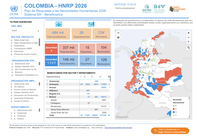
Country: Colombia Sources: El Equipo Humanitario País Colombia, Grupo Interagencial sobre Flujos Migratorios Mixtos, R4V, UN Office for the Coordination of Humanitarian Affairs Please refer to the attached Infographic. Las necesidades humanitarias en Colombia continúan superando la capacidad de respuesta en el primer semestre de 2026. A pesar de los desafíos de acceso y del contexto, los socios humanitarios mantienen una respuesta complementaria para llegar a las comunidades más afectadas y vulnerables para no dejar a nadie atrás, en medio de las complejas condiciones del contexto relacionadas al conflicto y variabilidad climática. Más de 484.000 personas recibieron asistencia humanitaria entre enero y junio de 2026 en 234 municipios de 29 departamentos, gracias al trabajo de 61 organizaciones humanitarias. De este total, el 41% de las personas atendidas son niños, niñas y adolescentes, 21% pertenecen a pueblos étnicos (12% afrodescendientes y 9% indígenas). Las personas atendidas en más de 3.300 actividades de respuestas están concentradas en departamentos del Pacífico, la frontera con Venezuela, noroccidente y sur del país. La respuesta intersectorial se concentra donde las necesidades son más críticas. Cerca de 337.000 personas (70% del total atendido) recibieron asistencia en 104 municipios de 15 departamentos con un nivel alto (4) de severidad humanitaria y connecesidades extremas, reflejando la gravedad de la situación en estas zonas.Las intervenciones priorizaron acciones en diferentes sectores como: Seguridad alimentaria, Protección, Agua, saneamiento e higiene, Nutrición y vacunación. Fortaleciendo resiliencia en territorios afectados. Al menos 146.000 personas se atendieron en otros 129 municipios de 27 departamentos con niveles de severidad moderada (2 y 3) con acciones que buscan reducir vulnerabilidades y fortalecer capacidades locales frente a crisis recurrentes.La respuesta en estas zonas incluyó intervenciones asociadas a seguridad alimentaria y medios de vida, salud física y mental, salud sexual y reproductiva, Educación y gestión del riesgo. La financiación sigue respondiendo a las crecientes necesidades humanitarias en diferentes regiones del país. A la fecha de publicación de este informe y gracias a la contribución de donantes, el 39% de los recursos requeridos para el HNRP 2026 han sido financiados, considerando un requerimiento total de USD 471,5 millones y financiamiento reportado de USD 183,5 millones. Estos recursos complementan los esfuerzos de las autoridades locales y contribuyen al cumplimiento del Plan de Respuesta a las Necesidades Humanitarias 2026. La acción coordinada entre actores organizaciones locales, nacionales e internacionales ha sido clave para llegar a las comunidades más afectadas. Según reportes, el 43% de actividades se implementan por ONG nacionales y locales, el 37% por ONGs internacionales, el 11% por agencias de Naciones Unidas, y un 9% por otros socios del Equipo Humanitario País. No obstante, persisten algunas brechas en la cobertura y responder oportunamente a personas con necesidades humanitarias crecientes y recurrentes.

Colombia: Reporte Plan de Respuesta a Necesidades Humanitarias HNRP 2026 en el Sistema 5W entre enero y junio de 2026 Read More »

central african republic am dafock mass displacement crisis: situation report #1, july 28, 2026

Central African Republic Am Dafock Mass Displacement Crisis: Situation Report #1, July 28, 2026

Country: Central African Republic Source: International Medical Corps Please refer to the attached file. FAST FACTS Am Dafock, in Vakaga prefecture, is experiencing a mass displacement crisis triggered by armed attacks in and around the city since the beginning of June. More than 19,000 internally displaced people have sought refuge at the MINUSCA base in Am Dafock. The local health system has collapsed—the health facility at the base has been looted and medical personnel have fled for their safety. Am Dafock remains inaccessible via road, limiting the supplies and assistance that can reach the area. OUR FOOTPRINT International Medical Corps has worked in the Central African Republic since 2007, delivering lifesaving services such as primary and secondary healthcare, surveillance and response to infectious diseases, health system strengthening, nutrition and food security, prevention and response to violence against women and girls, and water, sanitation and hygiene. OUR RESPONSE International Medical Corps has deployed an emergency response team, as well as lifesaving health and nutrition supplies, in the affected area. We have delivered 1,294 kilograms of medical supplies, essential medicines and ready-to-use therapeutic foods, as well as infection-prevention and control supplies. We have provided 1,778 curative consultations and 290 antenatal consultations, and registered 26 home deliveries, providing connections to further health services at the clinic. Despite the challenges, International Medical Corps is committed to scaling up lifesaving interventions. Additional staff—including one mental health nurse, one nutrition nurse and one case manager providing services to survivors of violence against women and girls—will be deployed soon, which will enhance the mobile clinic’s capacity to deliver integrated health, nutrition and protection services. Additional nutrition supplies, dignity kits and IPC materials are being prepared for deployment. Though the response continues to face significant operational challenges that are delaying the deployment of additional humanitarian assistance and critical supplies, continued and increased funding support is essential to address growing health, nutrition, protection, food security and livelihood, and water, sanitation and hygiene needs.

Central African Republic Am Dafock Mass Displacement Crisis: Situation Report #1, July 28, 2026 Read More »