Uncategorized

afghanistan nutrition cluster bulletin (issue 6, jan–jun 2026)

Afghanistan Nutrition Cluster Bulletin (Issue 6, Jan–Jun 2026)

Country: Afghanistan Source: Nutrition Cluster Please refer to the attached file. Afghanistan Nutrition Cluster Bulletin (Issue 5, Jan–Mar 2026) In 2026, the Nutrition Cluster prioritized nutrition response to 27 IPC Severity 3 and 4 provinces, covering 342 priority districts. During the first half of the year, partners reached 1,649,973 beneficiaries (29% of the annual target), including 533,434 children under five and 1,156,621 pregnant and breastfeeding women (PBW). Overall, 27% of the annual target in Severity 3 areas and 31% in Severity 4 areas had been achieved by the end of June 2026. Coverage remained well below planned levels due to prolonged therapeutic and supplementary nutrition commodity stock-outs, significant funding shortfalls, and reduced service availability following the closure of nutrition sites and Mobile Health and Nutrition Teams. Outpatient Therapeutic Programme and High Risk MAM was provided through 3,184 (3,034 fixed and 150 Mobile Health Nutrition Teams MHNTs) sites across 309 districts, and 144 Stabilization Centres (SCs) across all 342 nutrition cluster targeted districts. A total of 227,621 children under five with severe acute malnutrition (131,435 girls and 96,186 boys) were admitted to OTP sites, reaching 32% of the annual target. Additionally, 26,216 children under five (13,730 girls and 12,486 boys) with severe acute malnutrition and complications received treatment in Stabilization Centers (SC) reaching 33% of the annual target. A total of 105,096 children with high risk moderate acute malnutrition (HRM) (60,924 girls and 44,172 boys) were treated representing 16% of annual target. A total of 149,177 children under five with early moderate acute malnutrition (83,740 girls and 65,437 boys) were admitted to the TSFP, representing 8% of the annual target. Additionally, 123,464 malnourished PBW were reached through the TSFP, accounting for 16% of the annual target. Meanwhile, 122,853 children under two years of age (62,376 girls and 60,477 boys) and 51,252 pregnant and breastfeeding women were enrolled in the Blanket Supplementary Feeding Program (BSFP), reaching 9% and 7% of their annual targets, respectively. In addition, MIYCN counseling to improve breast feeding and complementary feeding practices for children aged 0-23 months was provided to 1,030,497 pregnant and lactating women and care givers, representing 45% of the annual target.

Afghanistan Nutrition Cluster Bulletin (Issue 6, Jan–Jun 2026) Read More »

venezuela: latinoamérica y el caribe resumen de situación semanal al 31 de julio 2026

Venezuela: Latinoamérica y El Caribe Resumen de Situación Semanal al 31 de julio 2026

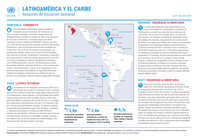
Countries: Venezuela (Bolivarian Republic of), Chile, Colombia, Guatemala, Haiti Source: UN Office for the Coordination of Humanitarian Affairs Please refer to the attached Infographic. CIFRAS CLAVE 3,4M de personas necesitan asistencia alimentaria humanitaria en Venezuela 3,4M de personas podrían enfrentarse a niveles de inseguridad alimentaria de crisis (CIF 3) o emergencia (CIF 4) en Haití 9,7K personas permanecen aisladas en Coquimbo, Chile, debido a fuertes tormentas VENEZUELA: TERREMOTO Las necesidades humanitarias siguen elevadas en Venezuela tras los terremotos del 24 de junio, ya que los hogares afectados continúan recuperándose de desplazamientos, pérdidas de medios de vida e interrupciones en el acceso a alimentos. La Red de Sistemas de Alerta Temprana contra la Hambruna (FEWS NET) estima que entre 3,0 y 3,49 millones de personas necesitan asistencia alimentaria humanitaria, y que el terremoto ha provocado resultados de Crisis (Fase 3 de la CIF) en los estados más afectados. Las evaluaciones rápidas indican que muchas familias afectadas han reducido el consumo de alimentos, incluyendo la reducción de las porciones y el salto de comidas para priorizar a los niños. Los socios humanitarios continúan ampliando la asistencia, con el PMA alcanzando a más de 120.000 personas a través de comidas calientes, cestas de alimentos, raciones listas para comer y vales electrónicos. A pesar de la respuesta en curso, persisten importantes necesidades de seguridad alimentaria mientras los hogares reconstruyen sus medios de vida y el acceso a los mercados y servicios básicos sigue siendo limitado. CHILE: LLUVIAS INTENSAS Las operaciones de respuesta continúan en Chile tras el clima severo que comenzó a mediados de julio, mientras que un nuevo sistema frontal trae riesgos adicionales de lluvias e inundaciones en varias regiones. Las autoridades han emitido nuevas alertas rojas en partes de Ñuble, Biobío y otras zonas afectadas debido al aumento del nivel de los ríos y a los riesgos de inundaciones y deslizamientos de tierra. En Coquimbo, más de 9.700 personas permanecen aisladas. El Gobierno también ha declarado una emergencia agrícola en Atacama, Coquimbo y Valparaíso para apoyar los medios de vida afectados, mientras las autoridades continúan los esfuerzos para restaurar infraestructuras, reconectar comunidades aisladas y abordar los impactos de una de las emergencias meteorológicas más severas que han afectado al país en décadas. REGIONAL: SEGURIDAD ALIMENTARIA La seguridad alimentaria sigue bajo presión en las zonas vulnerables de Centroamérica y Colombia. En Centroamérica, se prevé que persistan las condiciones de crisis (Fase 3 de la CIF) en el Corredor Seco y en partes de Alta Verapaz y las Altiplano Occidental de Guatemala, donde las pérdidas de cosechas, el agotamiento de las reservas de alimentos y los ingresos por debajo de la media han aumentado la dependencia de estrategias negativas de afrontamiento. La Red de Sistemas de Alerta Temprana contra la Hambruna (FEWS NET) estima que entre 2,0 y 2,49 millones de personas en Guatemala necesitarán asistencia alimentaria entre junio y septiembre. En Colombia, se prevé que persistan las condiciones de Crisis (Fase 3 de la CIF) en La Guajira y Chocó, donde sequías, inundaciones, inseguridad y precios elevados limitan la producción agrícola, los ingresos y el acceso al mercado. Se prevé que las condiciones de El Niño reduzcan aún más las lluvias y las oportunidades laborales agrícolas, aunque las cosechas estacionales y el empleo a partir de octubre deberían suponer alguna mejora. HAITÍ: SEGURIDAD ALIMENTARIA Entre junio de 2026 y enero de 2027, se prevé que entre 3,0 y 3,49 millones de personas enfrenten niveles de inseguridad alimentaria de Crisis (Fase 3 de la CIF) o Emergencia (Fase 4 de la CIF) en Haití. La violencia persistente sigue afectando los medios de vida, la producción agrícola, los mercados y las rutas comerciales, generando altos costos de transporte y limitando el acceso a los alimentos. Se prevé que los resultados de Emergencia (Fase 4 de la CIF) persistan entre las personas desplazadas internamente y los hogares muy pobres. Aunque las cosechas de primavera pueden mejorar temporalmente el acceso a los alimentos, las zonas cultivadas siguen por debajo de la media, la inflación sigue elevada en el 21% y la intensificación prevista de las condiciones de El Niño amenaza con nuevos déficits de lluvia y cosechas por debajo de la media más adelante en 2026, sosteniendo altas necesidades humanitarias hasta principios de 2027.

Venezuela: Latinoamérica y El Caribe Resumen de Situación Semanal al 31 de julio 2026 Read More »

venezuela: latin america & the caribbean weekly situation update as of 31 july 2026

Venezuela: Latin America & The Caribbean Weekly Situation Update as of 31 July 2026

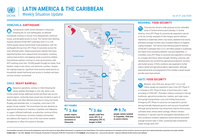
Countries: Venezuela (Bolivarian Republic of), Chile, Colombia, Guatemala, Haiti Source: UN Office for the Coordination of Humanitarian Affairs Please refer to the attached Infographic. KEY FIGURES 3.4M people require humanitarian food assistance in Venezuela 3.4M people could face crisis (IPC 3) or emergency (IPC 4) hunger in Haiti 9.7K people remain isolated in Coquimbo, Chile due to severe storms VENEZUELA: EARTHQUAKE Humanitarian needs remain elevated in Venezuela following the 24 June earthquakes, as affected households continue to recover from displacement, livelihood losses, and disrupted access to food. The Famine Early Warning Systems Network (FEWS NET) estimates that 3.0 to 3.49 million people require humanitarian food assistance, with the earthquake driving Crisis (IPC Phase 3) outcomes across the most affected states. Rapid assessments indicate that many impacted families have reduced food consumption, including cutting meal portions and skipping meals to prioritize children. Humanitarian partners continue to scale up assistance, with WFP reaching more than 120,000 people through hot meals, food baskets, ready-to-eat rations, and electronic vouchers. Despite the ongoing response, significant food security needs persist as households rebuild livelihoods and access to markets and basic services remains constrained. CHILE: HEAVY RAINFALL Response operations continue in Chile following the severe weather that began in mid-July, while a new frontal system brings additional rainfall and flood risks across several regions. Authorities have issued new red alerts in parts of Ñuble, Biobío and other affected areas due to rising river levels, flooding and landslide risks. In Coquimbo, more than 9,700 people remain isolated. The Government has also declared an agricultural emergency in Atacama, Coquimbo and Valparaíso to support affected livelihoods, as authorities continue efforts to restore infrastructure, reconnect isolated communities and address the impacts of one of the most severe weather emergencies to affect the country in decades. REGIONAL: FOOD SECURITY Food security remains under pressure across vulnerable areas of Central America and Colombia. In Central America, Crisis (IPC Phase 3) outcomes are expected to persist in the Dry Corridor and parts of Alta Verapaz and the Western Highlands in Guatemala, where crop losses, depleted food stocks, and below-average incomes have increased reliance on negative coping strategies. The Famine Early Warning Systems Network (FEWS NET) estimates that 2.0 to 2.49 million people in Guatemala will require food assistance between June and September. In Colombia, Crisis (IPC Phase 3) outcomes are expected to continue in La Guajira and Chocó, where drought, flooding, insecurity, and elevated prices are constraining agricultural production, incomes, and market access. El Niño conditions are expected to further reduce rainfall and agricultural labour opportunities, although seasonal harvests and employment from October onward should provide some improvement. HAITI: FOOD SECURITY Between June 2026 and January 2027, 3.0 to 3.49 million people are expected to face Crisis (IPC Phase 3) or Emergency (IPC Phase 4) levels of food insecurity in Haiti, according to FEWS NET. Persistent violence continues to disrupt livelihoods, agricultural production, markets, and trade routes, driving high transportation costs and limiting food access. Emergency (IPC Phase 4) outcomes are expected to persist among internally displaced persons and very poor households Although spring harvests may temporarily improve food access, cultivated areas remain below average, inflation remains elevated at 21 percent, and the anticipated intensification of El Niño conditions threatens additional rainfall deficits and below-average harvests later in 2026, sustaining high humanitarian needs through early 2027.

Venezuela: Latin America & The Caribbean Weekly Situation Update as of 31 July 2026 Read More »

terremotos en venezuela: reporte de situación #31 (31 de julio de 2026, hora: 05:00 pm)

Terremotos en Venezuela: Reporte de situación #31 (31 de julio de 2026, Hora: 05:00 pm)

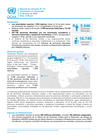
Country: Venezuela (Bolivarian Republic of) Source: UN Office for the Coordination of Humanitarian Affairs Please refer to the attached file. Reporte de situación N.º 31Terremotos en Venezuela31 de julio de 2026Hora: 5:00 pm Destacados Las autoridades reportan 1.500 réplicas (hasta el 24 de julio) desde los terremotos de magnitud 7,2 y 7,5 registrados el 24 de junio. Balance oficial, hasta el 24 de julio: 5.546 personas fallecidas y 16.740 heridas. 207.700 personas afectadas por los terremotos accedieron aservicios esenciales y asistencia humanitaria; el 54% correspondió a mujeres y niñas, gracias a una respuesta coordinada. El Sistema de las Naciones Unidas y sus organizaciones socias continúan ampliando la respuesta multisectorial a la emergencia. Para atender las necesidades de 1,3 millones de personas afectadas durante los próximos seis meses, se lanzó un llamamiento adicional por US$299 millones. Situación general Venezuela enfrenta una emergencia nacional tras dos sismos consecutivos de gran magnitud (7,2 y 7,5) ocurridos el 24 de junio (18:00, hora local) en la región centro-norte, con epicentro sobre el eje San Felipe – Yumare – Montalbán (Yaracuy/Carabobo). Las autoridades reportan 1.500 réplicas. Las autoridades reportan un balance de 5.546 personas fallecidas y 16.740 personas heridas desde el inicio de la emergencia, según datos ofrecidos a un mes de los terremotos. Asimismo, indican que 17.907 personas perdieron sus viviendas. La respuesta gubernamental mantiene el foco en la gestión de los campamentos transitorios y la atención de las personas afectadas. Naciones Unidas y sus organizaciones socias, en articulación con las autoridades, realizan acciones multisectoriales para las personas afectadas y continuarán ampliando la respuesta. Más de un mes después de los terremotos, la respuesta humanitaria continúa ampliándose en los estados afectados, con intervenciones coordinadas en seguridad alimentaria, agua, saneamiento e higiene (ASH), salud, alojamiento, nutrición, protección y educación. Al 30 de julio, más de 207.700 personas accedieron a servicios esenciales y asistencia humanitaria a través del trabajo conjunto de autoridades, comunidades, entidades de las Naciones Unidas, organizaciones humanitarias y socios donantes. Nota El informe se publicará de manera semanal. Agradecemos a las organizaciones socias, entidades de las Naciones Unidas y donantes por sus valiosos aportes, y les invitamos a continuar reportando sus actividades de respuesta a la emergencia ocasionada por los terremotos a través de la plataforma 345W. Para más detalles sobre cómo reportar y la herramienta, puede consultar la presentación: 345W Preparación y respuesta.

Terremotos en Venezuela: Reporte de situación #31 (31 de julio de 2026, Hora: 05:00 pm) Read More »

earthquakes in venezuela: situation report #31 (31 july 2026, time: 05:00 pm)

Earthquakes in Venezuela: Situation Report #31 (31 July 2026, Time: 05:00 pm)

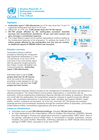
Country: Venezuela (Bolivarian Republic of) Source: UN Office for the Coordination of Humanitarian Affairs Please refer to the attached file. Situation Report No. 31Earthquakes in Venezuela31 July 2026Time: 5:00 pm Highlights Authorities report 1,500 aftershocks (as of 24 July) since the 7.2 and 7.5 magnitude earthquakes that struck on 24 June. Official toll, as of 24 July: 5,546 people dead and 16,740 injured. 207,700 people affected by the earthquakes accessed essential services and humanitarian assistance; 54 per cent were women and girls, through a coordinated response. The United Nations system and its partner organizations continue scaling up the multisectoral response to the emergency. To address the needs of 1.3 million people affected by the earthquakes over the next six months, an additional appeal of US$299 million was launched. Situation overview Venezuela is facing a national emergency following two consecutive high-magnitude earthquakes (7.2 and 7.5) that struck on 24 June (18:00 local time) in the north-central region, with the epicentre located along the San Felipe–Yumare–Montalbán axis (Yaracuy/Carabobo). Authorities report 1,500 aftershocks. Authorities report a toll of 5,546 people dead and 16,740 injured since the onset of the emergency, according to data released on 24 July. Authorities also indicated that The Government response remains focused on the management of transitional camps and assistance to affected populations. The United Nations and its partner organizations, in coordination with the authorities, continue implementing multisectoral response activities and scaling up assistance. More than one month after the earthquakes, the humanitarian response continues to expand across the affected states, with coordinated interventions in food security, water, sanitation and hygiene (WASH), health, shelter, nutrition, protection and education. As of 30 July, more than 207,700 people had accessed essential services and humanitarian assistance through the combined efforts of authorities, communities, United Nations entities, humanitarian organizations and donor partners. Note The report will be published on a weekly basis. We thank partner organizations, United Nations entities and donors for their valuable contributions, and encourage them to continue reporting their earthquake response activities through the 345W platform. For more information on reporting and the use of the tool, please refer to the presentation: 345W Preparedness and Response

Earthquakes in Venezuela: Situation Report #31 (31 July 2026, Time: 05:00 pm) Read More »

venezuela (república bolivariana de): respuesta a terremotos reporte de situación #18 (28 al 30 de julio 2026)

Venezuela (República Bolivariana de): Respuesta a Terremotos – Reporte de Situación #18 (28 al 30 de julio 2026)

Country: Venezuela (Bolivarian Republic of) Source: International Organization for Migration Please refer to the attached file. El Reporte de Situación No. 18 presenta una actualización sobre la respuesta de la OIM a los terremotos del 24 de junio en la República Bolivariana de Venezuela y cubre el período comprendido entre el 28 y el 30 de julio de 2026. Aspectos destacados Entre el 28 y el 30 de julio, la OIM continuó su respuesta multisectorial en campamentos transitorios y comunidades afectadas mediante intervenciones en alojamiento y coordinación y gestión de campamentos, salud, protección, agua, saneamiento e higiene (WASH) y gestión de información. A la fecha, la OIM y Fundación Vivienda Popular han proporcionado 4.627 sets de cocina, 4.232 lonas plásticas, 3.148 lámparas solares, 2.990 bidones plegables, 2.345 baldes, 2.210 kits de higiene, 947 mosquiteros y 821 kits de refugio a familias afectadas por los terremotos. Los equipos apoyados por la OIM han brindado 7.374 consultas médicas a 6.565 personas afectadas por los terremotos mediante servicios de salud, salud mental y apoyo psicológico en campamentos transitorios y comunidades afectadas. Actividades de la OIM La OIM continuó la cogestión de cinco campamentos transitorios en La Guaira: Campo de Golf, Mare Abajo II, Polideportivo José María Vargas, Playa Grande y César Nieves, apoyando la prestación de servicios, el registro de población, la orientación comunitaria y la coordinación operativa. En Campo de Golf continuaron los avances en la puesta en funcionamiento de la herradura de servicios, la instalación de iluminación solar, la adecuación de un espacio amigable y mejoras de infraestructura. En Mare Abajo II se actualizó el mapeo de servicios y avanzaron los preparativos para distribuciones coordinadas. En César Nieves y Playa Grande, la OIM continuó apoyando la coordinación de servicios, el seguimiento de infraestructura y el monitoreo de movimientos de población. Durante el período, la OIM y Fundación Vivienda Popular proporcionaron 491 lonas plásticas, 491 sets de cocina y 54 baldes a familias afectadas por los terremotos. En WASH, la OIM continuó ampliando el acceso a servicios de agua segura, saneamiento e higiene mediante actividades de monitoreo de calidad del agua, mejoras de drenaje, gestión de residuos y apoyo a infraestructura sanitaria. A la fecha, la OIM ha proporcionado 2.990 bidones plegables, 284 bidones semiplegables de 10 litros y 2.210 kits de higiene. La OIM y su socio implementador Ven Da Tu Mano continuaron prestando servicios de salud, salud mental y apoyo psicológico mediante equipos móviles. Durante el período, se realizaron más de 160 consultas de salud y salud mental en el Polideportivo José María Vargas. La OIM continuó apoyando el registro y la actualización de información a través del Sistema Unificado de Gestión de Información (IMS) en los cinco campamentos transitorios administrados por Naciones Unidas. También avanzaron las actividades de recopilación de información en asentamientos comunitarios del municipio Zamora, estado Miranda. Asimismo, continuaron los preparativos para la evaluación de asentamientos informales y el monitoreo de movilidad mediante la Matriz de Seguimiento de Desplazamiento (DTM). En protección, la OIM continuó brindando servicios de información, asistencia legal, gestión de casos, actividades de protección infantil, prevención de la trata de personas y mecanismos de retroalimentación comunitaria. Las actividades incluyeron el fortalecimiento de rutas de derivación, actividades comunitarias y acciones de sensibilización realizadas en el marco del Día Mundial contra la Trata de Personas. A la fecha, 207 personas han recibido asistencia individualizada de protección mediante servicios apoyados por la OIM. Como colíder del Grupo de Trabajo de Infraestructura y Alojamientos Temporales junto con ACNUR, la OIM continuó apoyando la coordinación operativa, el mapeo de servicios, la gestión de información y la planificación conjunta en los campamentos transitorios. Respuesta planificada de la OIM La OIM continuará fortaleciendo la infraestructura, la prestación de servicios, las intervenciones WASH, el apoyo en alojamiento y las actividades de coordinación y gestión de campamentos en los campamentos transitorios. Asimismo, continuará prestando servicios de salud, salud mental, apoyo psicológico y protección, fortaleciendo al mismo tiempo las rutas de derivación para asistencia especializada. Además, la OIM mantendrá el monitoreo de movilidad, las actividades de registro, la gestión de información, las evaluaciones en asentamientos comunitarios y la coordinación con autoridades y organizaciones implementadoras para respaldar la planificación de la respuesta basada en evidencia.

Venezuela (República Bolivariana de): Respuesta a Terremotos – Reporte de Situación #18 (28 al 30 de julio 2026) Read More »

lebanon: flash update #47 escalation of hostilities in lebanon (as of 31 july 2026)

Lebanon: Flash Update #47 – Escalation of hostilities in Lebanon (as of 31 July 2026)

Country: Lebanon Source: UN Office for the Coordination of Humanitarian Affairs Please refer to the attached file. HIGHLIGHTS At least 4,333 deaths and 12,236 injuries recorded due to hostilities since 2 March, with 354 fatalities and 232 injuries since the latest ceasefire announcement, according to the Ministry of Public Health. 821,077 people reported returning to their areas of origin, while 360,132 people remain displaced (as of 29 July), including 27,200 Internally Displaced Persons (over 53 per cent women and girls) in 258 collective shelters as of 31 July. On 27 and 28 July, the Humanitarian Coordinator visited conflict-affected villages in Nabatieh Governorate to speak with communities about humanitarian conditions and needs (Chaqra, Baraachit, Ain Ebel, Rmeich and Debel). SITUATION OVERVIEW Persistent humanitarian and protection challenges continue to affect communities across Lebanon. As displacement becomes increasingly prolonged and return conditions continue to be uneven, with high levels of destruction and insecurity in some areas, the coping capacities of displaced people, returnees and host communities continue to erode. Protection concerns remain across the country, including ongoing insecurity, inadequate shelter conditions, risks of eviction for displaced households and overstretched basic services. Reports of airstrikes, artillery shelling, demolitions and sonic grenades continued daily across South and Nabatieh governorates, including in Bint Jbeil, Marjayoun and Nabatieh districts in Nabatieh Governorate, and Tyre District in South Governorate. On 26 July, in Markaba, a village in Nabatieh Governorate, the reported destruction of a water pumping station has raised concerns over water security, access to water for surrounding communities, and ongoing targeting of critical civilian infrastructure. Continued hostilities and demolitions impede safe and sustainable returns, heighten risks for civilians and civilian infrastructure, and place additional strain on already limited services in conflict-affected areas of southern Lebanon. The Ministry of Public Health reported that 4,333 people had been killed (including 392 women and 253 children) and 12,236 injured (including 1,451 women and 1,036 children) as of 30 July. Since the latest ceasefire announcement, 354 people have been killed and 232 injured. Two health-care personnel were injured following the ceasefire announcement. Since 2 March, a total of 135 health-care workers have been killed and 408 injured while on duty. Despite continued returns, displacement levels remain significant, with 360,132 people remaining displaced across Lebanon as of 29 July, representing a 4 per cent decrease since 22 July. While displacement declined in major hosting districts, including Beirut (Beirut), Chouf and Aley (Mount Lebanon), and Saida (South), increases were recorded in Tyre (South) and in Nabatieh, Bint Jbeil and Marjayoun (Nabatieh) as some households moved closer to their areas of origin. However, insecurity, movement restrictions, limited access to services and livelihoods, and ongoing hostilities in some areas continue to impede safe and sustainable returns and drive humanitarian needs. Collective shelter populations also declined, with approximately 27,200 IDPs residing in 258 shelters, a 9 per cent decrease compared with the previous week. Despite this reduction in displacement levels, humanitarian needs remain considerable, with communities highlighting the need to rehabilitate shelters and address overcrowding, strengthen health and Water, Sanitation, and Hygiene (WASH) services, and expand cash assistance to help households meet food, shelter, health, and hygiene needs while reducing reliance on debt and negative coping strategies. Returns remain highly uneven, reflecting significant differences in conditions across areas of return. As of 29 July, 821,077 people had begun returning to their areas of origin. In southern Lebanon, the scale of damage to housing, infrastructure and basic services, combined with ongoing security incidents and movement restrictions, continues to constrain safe and sustainable returns. Sustained access to essential services, health care, and livelihoods and recovery assistance remain key priorities for communities in conflict-affected areas. In the most heavily conflict-affected areas, priority needs include rehabilitation of water and electricity networks, restoration of health services, cash assistance to meet basic needs, and livelihood support. In areas less affected by destruction and insecurity, communities continue to identify access to health care, including essential medicines, mental health and psychosocial support, and women’s health services, as a key concern, as well as support to restore livelihoods and agricultural production, and sustain water, electricity and other basic services essential for recovery. Protection concerns persist among displaced people, returnees and host communities, with continued concerns related to security incidents, explosive ordnance contamination, inadequate housing, economic hardship, civil documentation issues, and psychosocial distress. Vulnerabilities are being exacerbated by prolonged displacement, rising living costs and limited livelihood opportunities, particularly for women, girls, children, older persons, persons with disabilities and other at-risk households. For those in collective shelters that are being decommissioned, communities report not having clear information about alternative shelter or housing arrangements, heightening the risk of resorting to unsafe accommodation and increasing vulnerability to exploitation, eviction, homelessness and other protection risks. Financing gaps are straining services to communities. Communities in collective shelters report a reduction in both the scale and frequency of assistance compared with the 2024 response, underscoring the difficulties of maintaining large-scale support amid protracted displacement and growing humanitarian needs. Shortfalls for health sector response may threaten the continuity of services for affected communities, including primary and secondary health care services, essential medicines, ambulance and Emergency Medical Services operations, psychosocial support, physical rehabilitation, and assistive device provision. Continued reliance on reprogrammed resources may also limit partners’ ability to sustain both emergency and routine health interventions over time. On 27 July, United Nations Resident and Humanitarian Coordinator, Imran Riza, accompanied by UNICEF and OCHA representatives, visited the villages of Chaqra and Baraachit in Nabatieh Governorate, two areas in Bint Jbeil District outside the IDF-declared military area that are partially accessible to returning families. On 28 July, Imran Riza, accompanied by OCHA and the President of the Order of Malta, Marwan Sehnaoui, visited the border villages of Ain Ebel, Rmeich and Debel in Nabatieh Governorate to assess humanitarian situation and needs in communities whose residents remained in place throughout the conflict despite prolonged insecurity. During meetings with local authorities, returnees, displaced families, and community representatives, the delegations heard first-hand about the challenges people continue to

Lebanon: Flash Update #47 – Escalation of hostilities in Lebanon (as of 31 July 2026) Read More »

world: generation equality compendium of lessons learned 2026

World: Generation Equality Compendium of Lessons Learned 2026

Country: World Source: UN Women Please refer to the attached file. The UN Women Generation Equality Compendium of Lessons Learned 2026 synthesizes five years of implementation experience under Generation Equality (2021–2026), documenting how a feminist, intergenerational, multistakeholder partnership model translated global ambition into system-level changes, policy influence, financing shifts, and accountability practices. Convened by UN Women, Generation Equality established a shared architecture for leadership, coordination, and accountability across governments, philanthropies, multilateral organizations, the private sector, civil society, and youth-led organizations. Drawing on implementation data, accountability reporting, and financial analysis across the six Action Coalitions and the Global Compact on Women, Peace and Security and Humanitarian Action, the compendium reflects lessons emerging from more than 2,500 commitments, USD 50.3 billion in pledged financing, and over USD 21 billion in reported expenditures. It captures progress across priority areas and contributed to policy reforms, strengthened coordination, and increased political visibility for gender equality. The document highlights that accountability, predictable financing, shared leadership, and data-driven learning strengthen impact, while power asymmetries, underfinancing, bureaucratic constraints, and uneven reporting capacity continue to limit sustainability and lasting systems change.

World: Generation Equality Compendium of Lessons Learned 2026 Read More »