Uncategorized

myanmar situation analysis: [20/7/2026] [26/7/2026]

Myanmar Situation Analysis: [20/7/2026] – [26/7/2026]

Country: Myanmar Source: Data Friendly Space Please refer to the attached file. Executive Summary Myanmar faces a protracted humanitarian emergency characterized by widespread displacement, ongoing armed conflict, severe economic deterioration, and compounding natural disasters. The crisis demands sustained international attention and coordinated humanitarian response across multiple sectors. The Myanmar crisis requires sustained engagement across diplomatic, humanitarian, and development channels. Immediate priorities include scaling humanitarian assistance, protecting civilian infrastructure, and maintaining pressure for political resolution while preparing for long-term recovery and resilience-building efforts. This analysis, produced through GANNET SituationHub’s AI-powered platform with human-in-the-loop verification, synthesizes data from thousands of humanitarian sources to provide actionable insights for decision-makers, field teams, and donors responding to the Myanmar crisis. The platform’s real-time monitoring capabilities enable rapid identification of emerging needs and coordination gaps critical for effective humanitarian response. SituationHub: https://analysis.gannet.ai/myanmar

Myanmar Situation Analysis: [20/7/2026] – [26/7/2026] Read More »

mmc 4mi infographic – experiences and expectations of return migration to venezuela (july 2026)

MMC 4Mi Infographic – Experiences and expectations of return migration to Venezuela (July 2026)

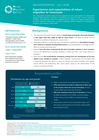
Country: Venezuela (Bolivarian Republic of) Source: Mixed Migration Centre Please refer to the attached Infographic. Survey in South American countries This 4Mi infographic explores the experiences, motivations and expectations of Venezuelan refugees and migrants returning to Venezuela from countries across South America. It examines why people are leaving host countries, what is driving their return, the information shaping their decisions and the challenges they expect to face after arriving. The findings highlight the importance of family connections in return decisions, alongside the effects of discrimination, limited opportunities for regularisation and difficulties securing sustainable livelihoods in host countries. They also reveal concerns about access to income, healthcare and essential services after return. Key findings Discrimination (38%) was the main reason for leaving host countries. Xenophobia against Venezuelan refugees and migrants manifests across the region through insults, harassment, exclusion from the labour market, hypersexualisation and physical violence Family and friends in Venezuela are both the main motivation for return (83% of all respondents) and the most frequently consulted source of information before travelling (80%), reflecting the centrality of close social networks in migration decision-making. 30% of respondents returned in expectation of political change in Venezuela, and 22% because they perceived security improvements. However, secondary sources and actors in Venezuela indicate that the economic and public services have not improved significantly, which could create a gap between expectations and reality, fuelling new cycles of migration. Despite the reopening of Venezuelan consulates across the region, procedures such as obtaining identity cards and birth certificates still require physical presence in Venezuela, which explains why 22% return specifically to obtain documentation. Friends and/or family members in Venezuela were the most frequently consulted source of information regarding the journey and life after return (80%). Only 4% obtained information through NGOs, and less than 1% through international organisations. 69% of all respondents stated plans to stay permanently in Venezuela. Amid uncertainty, the impact of the earthquakes and the country’s economic conditions, people face the possibility of migrating once again.

MMC 4Mi Infographic – Experiences and expectations of return migration to Venezuela (July 2026) Read More »

world: epidemic and emerging disease alerts in the pacific as of 04 august 2026

World: Epidemic and emerging disease alerts in the Pacific as of 04 August 2026

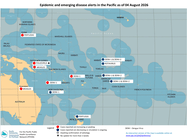
Countries: World, Australia, New Caledonia (France), New Zealand, Palau, Samoa, Tonga, United States of America, Vanuatu Source: Pacific Community Please refer to the attached Map. Highlights/updates since the last map was sent on PacNet on 28 July 2026: Dengue • New Caledonia: As of 27 July 2026, a cumulative total of 2,228 dengue cases has been reported in New Caledonia since 1st January 2026, an increase of 10 cases since the previous report (2,218 cases), with the most recent case notified on 27 July 2026. The weekly epidemic curve peaked at approximately 250 cases in EpiWeek 17 and has since declined steadily. This decline is consistent with the cool season, which is usually associated with a slowdown or interruption of transmission. Serotype 1 (DENV-1) remains the only serotype circulating. The blue alert for dengue (DENV-1) remains in effect. – Source: La dengue | Direction des Affaires Sanitaires et Sociales de Nouvelle-Calédonie accessed on 04 August 2026. • Samoa: As of EpiWeek 29 (13–19 July 2026), dengue activity in Samoa has continued to decline, with 22 new cases reported, a 31% decrease compared with the previous week. No new hospital admissions, ICU admissions or deaths were reported this week. Four new laboratory-confirmed cases were detected. DENV-1 (54%) and DENV-2 (46%) continue to co-circulate, with 92% of cases reported from Upolu, and children under 15 years remain the most affected age group, accounting for 73% of reported cases. Since 1st January 2025, a cumulative total of 20,085 clinically diagnosed cases and 5,524 laboratory-confirmed cases have been reported, with nine dengue-related deaths to date. Health authorities continue community engagement, school-based prevention activities, fumigation and public awareness campaigns to reduce mosquito breeding and prevent further transmission. The blue alert for DENV-1 and DENV-2 remains in effect. – Source: Ministry of Health Samoa – Dengue Fever Outbreak Situation Report, Epi-week 29, Issue No. 66, shared with PPHSN Coordinating Body Focal point on 29 July 2026. • Tonga: On 31 July 2026, the Ministry of Health of Tonga officially declared the end of the dengue fever outbreak. The outbreak, declared on 17 April 2026, lasted just over three months, during which 29 people were admitted to hospital and no deaths were recorded. The last case was reported on 09 July 2026, and no further admission has occurred in the three weeks since. Tongatapu was the most affected division, followed by Ha’apai and ‘Eua, while no cases were reported from Vava’u or the Niuas. The 15–19-year age group was the most affected over the course of the outbreak, having shifted from the younger 10–14-years group at the start. The alert for dengue (DENV-2) in Tonga has been removed. – Source: Press Release – End of Dengue Fever Outbreak, Ministry of Health, Kingdom of Tonga (31 July 2026), shared with PPHSN Coordinating Body Focal point on 03 August 2026. • Vanuatu: As of 31 July 2026, the dengue outbreak on South-West Efate Island, Shefa Province, continues, with a cumulative total of 52 confirmed cases, an increase of three cases since the previous report (48 cases). The continued occurrence of cases indicates ongoing dengue virus transmission. Nine hospitalisations have been reported to date, and no dengue-related death has been recorded. Serotype 1 (DENV-1) is the only serotype identified to date. The red alert for dengue (DENV-1) remains in effect. – Source: Shefa Provincial Health Office – Shefa Health Promotion official Facebook page, dengue situation update (31 July 2026) accessed on 04 August 2026. Pertussis/Whooping cough • New Zealand: Pertussis activity in New Zealand continues as part of the ongoing national epidemic declared in November 2024. In the surveillance week ending 24 July 2026, 32 cases were notified, an increase compared with 25 cases in the previous week (ending 17 July 2026), bringing the cumulative total for 2026 to 1,095 cases as of 24 July 2026. The blue alert for pertussis remains in effect. – Source: Pertussis dashboard, PHF Science accessed on 04 August 2026. Other Information: Arbovirus • United States (USA): On 4 August 2026, the US Centers for Disease Control and Prevention (CDC) informed of three laboratory-confirmed Zika virus infections in US travellers for whom Fiji was the only destination visited. The first case became unwell on 20 May 2025 after a three-week stay at a resort in northern Fiji. The two other cases had symptom onset in March and June 2026. Two cases were confirmed by PCR and one by serology (IgM and neutralising antibodies), and there was no evidence of co-infection with dengue virus. One patient presented with fever, headache, fatigue, rash, conjunctivitis, nausea, vomiting, diarrhoea, myalgia and arthralgia. The two others had febrile illness for which no further clinical detail is available. Fiji has not identified any Zika case through its own surveillance systems to date. The Trioplex assay currently in use has a lower sensitivity for Zika than for dengue and chikungunya, because of the lower viraemia seen with Zika virus infection, so sporadic cases may be missed. – Source: Imported Zika virus cases in US travellers returning from Fiji, US Centers for Disease Control and Prevention, Arboviral Diseases Branch, shared with PPHSN Coordinating Body Focal point on 04 August 2026. • New Zealand: In New Zealand, during surveillance week 30 (25–31 July 2026), four dengue notifications and three confirmed Zika virus cases were reported. Among the dengue notifications, one confirmed case had travelled to Samoa during the incubation period, two probable cases had travelled to Singapore and Vanuatu respectively, and one case remains under investigation. The three confirmed Zika cases had travelled to Fiji (two cases) and Indonesia (one case). Given the known serological cross-reactivity between dengue and other flaviviruses, some reported cases may be reclassified as other flavivirus infections as epidemiological and laboratory investigations continue, and the data may change as cases are further investigated. – Source: NZ Arbovirus Notifications by Country (Week 30: 25/07/2026–31/07/2026), shared with PPHSN Coordinating Body Focal point on 03 August 2026. Highly Pathogenic Avian Influenza in wild birds • Australia: As of 3 August 2026, Australia

World: Epidemic and emerging disease alerts in the Pacific as of 04 August 2026 Read More »

amda emergency relief #2: kumamoto earthquake, japan 3 august 2026

AMDA Emergency Relief #2: Kumamoto Earthquake, Japan – 3 August 2026

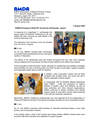
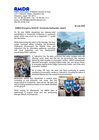
Country: Japan Source: Association of Medical Doctors of Asia Please refer to the attached file. In response to a magnitude 7.1 earthquake that struck Japan’s Kumamoto Prefecture on 28 July, AMDA has been carrying out relief efforts in the hard-hit Yatsushiro City. The following is the summary of its aid activities from 30 July to 1 August: ■ 30 July On 30 July, AMDA’s disaster-relief coordinators conducted needs assessments at four evacuation centers in Yatsushiro. 3 August 2026 The effects of the earthquake were still evident throughout the city, with many buildings having collapsed and long queues forming at petrol stations even before they opened. At the evacuation centers the team visited, although air conditioning was available, shortages were identified not only of drinking water and food, but also of wet wipes, hygiene supplies, and disposable plastic gloves used for cleaning. In addition, many evacuation centers had not been equipped with portable beds, and some had yet to receive adequate medical support. In cooperation with the Disaster Medical Assistance Team (DMAT – under the jurisdiction of Japan’s Ministry of Health, Labor and Welfare), as well as local authorities and other relevant organizations, AMDA continued to assess conditions and identify support needs at evacuation centers while preparing to provide the necessary assistance. Meanwhile, AMDA’s healthcare professionals who had departed from its headquarters in Okayama Prefecture arrived in Kumamoto and began activities at one of evacuation centers. ■ 31 July On 31 July, AMDA conducted relief activities at Yatsushiro Municipal Daiyon Junior High School, one of evacuation centers. In the facility where a total of 337 people were taking shelter, AMDA’s medical team went around to talk with evacuees who appeared to require support.

AMDA Emergency Relief #2: Kumamoto Earthquake, Japan – 3 August 2026 Read More »

amda emergency relief #1: kumamoto earthquake, japan 30 july 2026

AMDA Emergency Relief #1: Kumamoto Earthquake, Japan – 30 July 2026

Country: Japan Source: Association of Medical Doctors of Asia Please refer to the attached file. On 29 July, AMDA dispatched two disaster-relief coordinators to Kumamoto Prefecture in southwest Japan, which was struck by a magnitude 7.1 quake the day before. While determining the extent of the damage, the team visited municipal offices including the Kumamoto Prefectural Government, the Mashiki town, and Yatsushiro City for information gathering, consulting with local authorities and the headquarters coordinating DMAT activities. In Yatsushiro City, the team confirmed that water outages were still affecting some areas and that the city government was regularly delivering relief supplies to evacuation centers. AMDA subsequently delivered beverages, including bottled water, tea, and sports drinks, to evacuees staying at the Otago Community Center, one of the city’s evacuation shelters. As of today (30 July), the team has been continuing to assess conditions at evacuation centers in Yatsushiro, including the status of essential lifelines and the overall living environment. Meanwhile, AMDA also dispatched a medical team consisting of one physician, one nurse, and one acupuncturist to Kumamoto. Upon arrival, the team will start providing assistance based on the needs identified on the ground. While bracing for aftershocks, the AMDA team is determined to support those who are persevering through difficult circumstances.

AMDA Emergency Relief #1: Kumamoto Earthquake, Japan – 30 July 2026 Read More »

oPt: Expert view on the ongoing conflict in the Middle East and region

Countries: occupied Palestinian territory, Iran (Islamic Republic of), Lebanon Source: Save the Children Amman, 3 August 2026 – The pace of violence in the Middle East must be de-escalated now. The risks to children in the region must end, with the conflict now ongoing for more than five months. Children across the region continue to pay the highest price for escalating violence. From the occupied Palestinian territory to Lebanon and Iran, children are being killed, injured, displaced, and losing access to the healthcare, education, and protection they desperately need. Children across the occupied Palestinian territory continue to face relentless violence, with hostilities in Gaza and military operations and settler attacks in the West Bank exposing them to grave risks. Gaza: Despite the “ceasefire” agreement, children continue to be killed, and essential civilian infrastructure remains under attack. In massive strikes on Sunday, the Israeli Army reportedly killed four children. One of them was reported to be the fetus of a pregnant woman who was found beneath the rubble. Israeli forces also struck and demolished two medical supply warehouses in Deir al-Balah, further disrupting access to lifesaving medical supplies. Last week, Israeli forces reportedly killed an eight-year-old and an 18-month-old- child in separate airstrikes on homes in Gaza City and Khan Younis. West Bank: Israeli military operations and settler attacks intensified across the West Bank, with Palestinian communities reporting attacks on civilians and property in multiple locations. Last Friday, Israeli settlers shot a 10-year-old child in the back during an attack on a village near Ramallah. Israeli authorities also extended military orders preventing residents from returning to the Jenin, Tulkarm and Nur Shams refugee camps until the end of September, prolonging the displacement of thousands of families and disrupting children’s access to education, healthcare and other essential services. In Lebanon, more than 375,000 people remain internally displaced of which 35% are estimated to be children, due to the Israeli Army escalation in the southern part of Lebanon, where shelling and house demolitions continue. Iranian state media reported the latest strikes last week killed three people, including a two-year-old child, on Qeshm island, while other locations were also hit in the south and west of the country. Traffic in the Strait of Hormuz and the Bab al-Mandab Strait that connects the Red Sea, and the Gulf of Arden remain low. With these pressures increasing shipping, insurance, fuel and food costs and making humanitarian assistance slower and more expensive. Ahmad Alhendawi, Save the Children’s Regional Director for the Middle East, North Africa and Eastern Europe, said: “Children are paying the price daily for this dangerous escalation which must end now. The international community must pressure all parties to immediately de-escalate, act responsibly towards children, cease all military operations, and pursue peaceful resolutions to their disputes. “Children are directly impacted by blocked routes and restricted maritime traffic. Disruption is delaying humanitarian supplies and driving up the cost of food, fuel, and medicine. These waterways must remain open and safe for civilian and humanitarian traffic”. “Effective accountability measures must be implemented for all those who have committed crimes against children in the region. Greater efforts must also be directed towards improving the conditions of children who are directly or indirectly affected by this escalation.”

oPt: Expert view on the ongoing conflict in the Middle East and region Read More »

emphnet in sudan [en/ar]

EMPHNET in Sudan [EN/AR]

Country: Sudan Source: Eastern Mediterranean Public Health Network Please refer to the attached Infographic. EMPHNET’s Profile in Sudan Through years of collaboration, EMPHNET’s work in Sudan has evolved to address changing public health needs, from strengthening the public health workforce and advancing disease surveillance to transforming Sudan’s immunization program through sustained strategic and technical support, reinforcing emergency preparedness, and implementing community-based interventions. This report highlights key milestones, partnerships, and efforts that have shaped EMPHNET’s contribution to Sudan’s public health landscape, and reflects its continued commitment to strengthening health systems in challenging contexts. حضور امفنت في السودان على مدار سنوات من التعاون المتواصل، تطور عمل امفنت في السودان ليواكب الاحتياجات الصحية العامة المتغيرة، حيث امتد من تعزيز الكوادر الصحية وتطوير أنظمة الترصد الوبائي، إلى إحداث نقلة نوعية في برنامج التحصين الوطني من خلال الدعم الفني والاستراتيجي المستدام، مرورا بتعزيز جاهزية الطوارئ، وتنفيذ تدخلات مجتمعية على أرض الواقع يستعرض هذا التقرير أبرز المحطات والشراكات والجهود التي شكلت مساهمة امفنت في المشهد الصحي السوداني، كما يعكس التزامها المستمر بتقوية النظم الصحية في السياقات الهشة والصعبة

EMPHNET in Sudan [EN/AR] Read More »

indonesia: asean weekly disaster update week 31 | 27 july – 2 august 2026

Indonesia: ASEAN Weekly Disaster Update Week 31 | 27 July – 2 August 2026

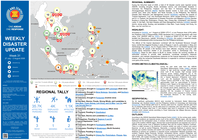
Countries: Indonesia, Philippines, Thailand, Viet Nam Source: ASEAN Coordinating Centre for Humanitarian Assistance Please refer to the attached Infographic. REGIONAL SUMMARY: During the thirty-first week of 2026, a total of 30 disaster events were reported across ASEAN, including droughts, floods, landslides, storms, and wind-related disasters in Indonesia, the Philippines, Thailand, and Viet Nam. In Indonesia, Badan Nasional Penanggulangan Bencana (BNPB) reported disaster events in East Java, Gorontalo, Central Java, West Java, Banten, and North Sumatra. In the Philippines, the National Disaster Risk Reduction and Management Council (NDRRMC) reported the impacts of Tropical Depression “Luis” and Southwest Monsoon, which caused flooding in Regions V and IX. In Thailand, the Department of Disaster Prevention and Mitigation (DDPM) reported flooding in Chiang Rai, Phetchabun, Phayao, Nan, Chiang Mai, Chanthaburi, and Ranong. Lastly, in Viet Nam, Viet Nam Disaster and Dyke Management Authority (VDDMA) reported storms, strong winds, flooding, and landslides in Dien Bien, Tuyen Quang, Lam Dong, Ca Mau, Lao Cai, and Son La. HIGHLIGHT: According to PAGASA, on 1 August at 2200H UTC+7, a Low Pressure Area (LPA) within the Philippine Area of Responsibility (PAR) developed into a tropical depression with local name “Luis” (INVEST 94W by JTWC). On 3 August at 1630H UTC+7, the “Luis” made landfall over Maconacon, Isabela. According to PAGASA, this system is expected sharply turn east northeastward while moving away from the Philippine landmass. The effects of the tropical depression combined with the Southwest Monsoon brought heavy rainfall that triggered flooding in parts of Regions V and IX, particularly in Albay and Zamboanga City (DSWD). As of 2 August 2026 at 1700H UTC+7, the DSWD reported that approximately 4K people (1.6K families) have been affected, including more than 3.6K people taking temporary shelter in an evacuation centre in Zamboanga City. The NDRRMOC raised its alert status to BLUE to closely monitor the evolving situation as authorities continue to provide relief assistance, coordinate emergency response operations, and maintain preparedness measures as the tropical depression is forecast to weaken, while the enhanced Southwest Monsoon is expected to continue bringing rainfall over parts of the country. HYDRO-METEO-CLIMATOLOGICAL: During the past week, data from the ASEAN Specialised Meteorological Centre (ASMC) indicated medium to high seven-day average rainfall across areas north of the Equator. High average rainfall observed across northern Philippines due to the combined influence of INVEST 94W, which developed into a tropical depression (Philippines local name: “Luis”, and the Southwest Monsoon. Meanwhile, Tropical Cyclone DOLPHIN is also being monitored approximately 2,650 km east-northeast of Extreme Northern Luzon. Based on the latest forecast, “Luis” is expected to remain a tropical depression for most of the forecast period before weakening into a remnant low by 5 August, after which it is forecast to be fully absorbed into the circulation of Tropical Cyclone DOLPHIN, which is then expected to further enhance the Southwest Monsoon in the coming week. (PAGASA, JTWC). GEOPHYSICAL: Six (6) significant earthquakes (M>5.0) were recorded by Indonesia’s Badan Meteorologi, Klimatologi, dan Geofisika (BMKG) and the Philippines Institute of Volcanology and Seismology (PHIVOLCS). Mount Marapi (alert level II), Semeru (alert level III), Lewotobi Laki-laki (alert level III), Ili Lewotolok (alert level II), and Ibu (alert level II) in Indonesia, and Taal (alert level 1), Mayon (alert level 3), Bulusan (alert level 1), and Kanlaon (alert level 2) volcanoes in the Philippines reported recent volcanic activity according to Pusat Vulkanologi dan Mitigasi Bencana Geologi (PVMBG) and PHIVOLCS. OUTLOOK: According to the ASEAN Specialised Meteorological Centre (ASMC), for the coming week, wetter-than-usual conditions are expected across much of the northern ASEAN region, with the highest likelihood over the northwestern areas. In contrast, drier-than-usual conditions are forecast across much of the southern ASEAN region. Warmer-than-usual temperatures are expected over much of ASEAN, except across most of Mainland Southeast Asia and the southern Maritime Continent. There is a slight increase in the likelihood of extreme rainfall over parts of northern and central Myanmar, as well as central Philippines. Meanwhile, a moderate likelihood of extreme heat is forecast over southern Sumatra and eastern and southern Borneo, while a slight increase in the likelihood of extreme hot conditions is expected across southeastern Mainland Southeast Asia, southern Thailand, Malay Peninsula, Sumatra, northeastern Borneo, southern Philippines, and parts of Sulawesi and Papua. El Niño conditions are expected to persist throughout the second half of 2026, with models indicating a high likelihood of strong El Niño conditions from August to September. During El Niño, it is typically drier for much of the Maritime Continent. Sources: ASEAN Disaster Monitoring & Response System (DMRS); ASEAN Disaster Information Network (ADINet); ASEAN Specialised Meteorological Centre (ASMC); ASEAN Earthquake Information Centre (AEIC); Joint Typhoon Warning Centre (JTWC); Indonesia: BNPB, BMKG, PVMBG; Philippines: NDRRMC, DSWD, PHIVOLCS, PAGASA; Thailand: DDPM; Viet Nam: VDDMA; Various news agencies.

Indonesia: ASEAN Weekly Disaster Update Week 31 | 27 July – 2 August 2026 Read More »