
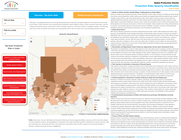

Please refer to the attached file.
1- Attacks on Civilians and Other Unlawful Killings, Including Attacks on Civilian Objects
Attacks on civilians remain the gravest protection concern nationwide in 2026. Civilians continue to be killed and injured through drone strikes, aerial bombardments, artillery shelling, ground assaults and targeted attacks affecting residential areas, markets, hospitals, schools, IDP sites, roads, water infrastructure and other civilian objects. The sharp increase in drone warfare has significantly altered the protection environment. The impact extends beyond immediate death and injury. Attacks on civilian objects deprive communities of healthcare, education, water, markets and humanitarian services, while increasing displacement, family separation, food insecurity and exposure to further harm during flight. Civilian casualties remain likely underreported due to insecurity, communication blackouts, restricted access and fear of retaliation. The pattern continues to indicate persistent disregard for distinction, proportionality and precaution under international humanitarian law.
GBV remains widespread, systematic and severely underreported across Sudan in 2026. Conflict-related sexual violence, rape, gang rape, sexual exploitation, forced marriage, sexual slavery, intimate partner violence and abuse continue to be reported in displacement sites, host communities, transit routes, checkpoints and areas affected by siege or active conflict. Women and girls face heightened risks while fleeing, collecting water or firewood, accessing services, living in overcrowded sites, or relying on unsafe coping mechanisms. Survivors often lack access to life-saving clinical care, psychosocial support, and safe referral pathways, particularly in besieged or hard-to-reach areas. Stigma, fear of retaliation, and the collapse of services significantly suppress reporting, masking the true scale of harm. Female-headed households and adolescent girls are especially exposed to exploitation linked to extreme deprivation.
Discrimination and stigmatization continue to shape exposure to harm and unequal access to protection, assistance and services in 2026. IDPs, returnees and conflict-affected communities face exclusion based on ethnicity, tribal affiliation, geographic origin, perceived affiliation with parties to the conflict, displacement status, gender, disability and socioeconomic vulnerability. These dynamics affect access to humanitarian assistance, healthcare, education, civil documentation, housing, livelihoods and safe movement. Discriminatory treatment at checkpoints, in aid distributions, schools, health facilities and host community settings reinforces fear and social fragmentation. Persons with disabilities, older persons, female-headed households, children, minority groups and people without documentation face heightened exclusion. Denial or obstruction of humanitarian access further compounds these risks, particularly in areas affected by siege-like conditions, bureaucratic impediments and insecurity.
4- Theft, Extortion, Forced Eviction or Destruction of Personal Property
Theft, extortion, forced eviction, occupation and destruction of civilian property remain widespread in 2026. Civilians continue to report looting and confiscation of homes, land, livestock, vehicles, cash, food stocks, communication devices, identity documents and livelihood. These violations are particularly acute during attacks, displacement movements, raids, checkpoint encounters and shifts in territorial control.
Forced eviction, burning or occupation of homes and destruction of civilian property continue to drive repeated displacement and prevent safe return. The depletion of household assets increases reliance on harmful coping mechanisms, including child labour, survival sex, unsafe movement, family separation and recruitment by armed actors.
5- Unlawful Impediments or Restrictions to Freedom of Movement, Siege and Forced Displacement
Restrictions on freedom of movement, siege-like conditions, checkpoints, road blockages, insecurity and bureaucratic impediments continue to place civilians at extreme risk in 2026. Communities in Darfur, Kordofan and other frontline areas remain exposed to encirclement, unsafe escape routes, denial of assistance and coercive displacement. The Protection Cluster note on El Obeid highlights escalating protection risks linked to intensified hostilities, drone attacks, restricted movement, displacement and collapse of essential services. Civilians attempting to flee often travel on foot through unsafe routes without adequate food, water, healthcare, transport or communication. These conditions increase deaths from violence, dehydration, exhaustion and disease, while exposing women, children, older persons and persons with disabilities to GBV, exploitation, trafficking, family separation and abandonment.
Children continue to face severe risks of forced recruitment, use, abduction, forced association and family separation in 2026. Recruitment and use by armed actors continue in combat and support roles, including checkpoint duties, guarding, intelligence gathering, looting, domestic labour and sexual exploitation. Boys remain particularly exposed to recruitment and use in hostilities, while girls face risks of forced association, sexual slavery, forced marriage and exploitation. Family separation is increasing due to attacks, displacement, siege conditions, detention, killings of caregivers, unsafe routes and repeated movement. UNICEF-related reporting indicates that at least 42,000 unaccompanied and separated children have been registered in Sudan and neighbouring countries. Child protection analysis also highlights that child recruitment, abduction, sexual violence, killing and maiming, denial of humanitarian access, and attacks on schools and hospitals remain central patterns of grave violations against children in Sudan.
7- Presence of Mines and Other Explosive Ordnance
Explosive ordnance contamination, including UXO, ERW and confirmed landmines, remains an escalating and life-threatening protection risk across Sudan in 2026. EO contamination affects urban neighbourhoods, rural villages, roads, farmland, public infrastructure and displacement sites, severely restricting freedom of movement, access to livelihoods, humanitarian operations and prospects for safe return. Children remain disproportionately affected due to curiosity, daily exposure and movement through contaminated environments. Recent confirmations of landmines in previously UXO-only areas, including parts of Khartoum, further highlight the increasing scale, complexity and lethality of the threat, and the urgent need for risk education, marking, clearance, victim assistance and integration of mine action within humanitarian response planning.